Dog Concierge: Navigating the World of Canine Care and Services
Introduction
Welcome to an in-depth exploration of a unique and growing industry—Dog Concierge. In today’s fast-paced world, where pet ownership is at an all-time high, the concept of dedicated canine concierge services has emerged as a innovative solution to cater to the evolving needs of dog owners. This article aims to guide readers through the intricate world of Dog Concierge, uncovering its various facets, global reach, and profound impact on the way we care for our furry friends. Get ready to discover how this modern service industry is revolutionizing the daily lives of dog lovers worldwide.
Understanding Dog Concierge: Unlocking the Definition and Essential Services
Definition:
Dog Concierge, at its core, is a specialized service that offers comprehensive support and solutions tailored to dog owners’ needs. It provides a range of personal assistance, care, and companionship services for dogs, ensuring their well-being and happiness while accommodating the busy lifestyles of their human companions.
Key Components:
Personalized Care Plans: Dog Concierge professionals design individualized care routines, including feeding schedules, exercise regimes, and grooming. These plans consider each dog’s unique needs, age, breed, and health conditions.
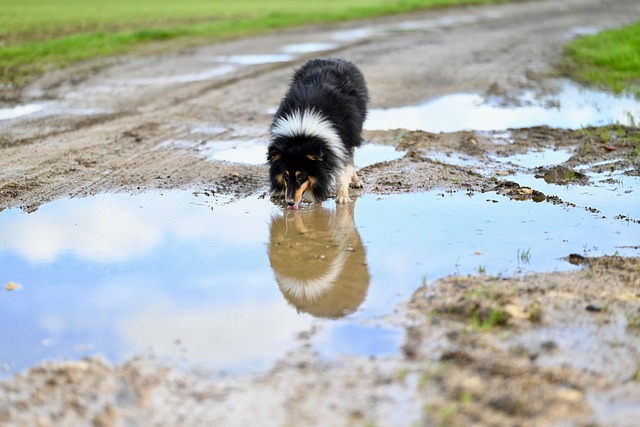
Dog Walking and Exercise: Regular walks and physical activities are a cornerstone of this service. Concierges ensure dogs receive adequate exercise, social interaction, and mental stimulation to maintain their overall health.
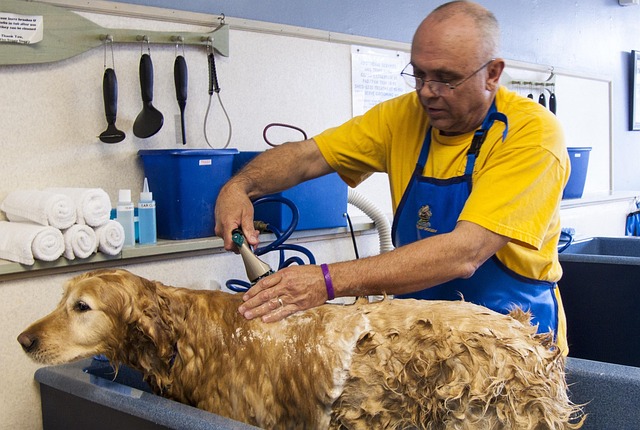
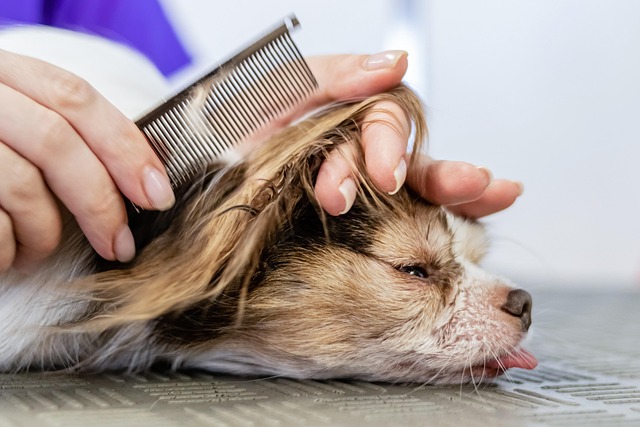
Grooming and Beauty Services: From routine bathing and brushing to specialized grooming for show dogs, concierges offer professional care, ensuring dogs look and feel their best.
Transportation and Travel Assistance: This includes airport pickups and drop-offs, pet-friendly travel arrangements, and even companion services during long-distance journeys.
Socialization and Training: Dog concierges organize playdates, group training sessions, and socialization activities to enhance dogs’ behavior and well-being in social environments.
Emergency and Medical Support: They are equipped to handle pet emergencies, provide basic first aid, and coordinate with veterinarians when needed.
Historical Context:
The concept of Dog Concierge can be traced back to the increasing urbanization and busy lifestyles of the 21st century. As working professionals spent more time away from home, the demand for reliable dog care solutions rose. Initially, these services were offered on a smaller scale by dedicated pet lovers or professional trainers. Over time, with growing popularity and technological advancements, Dog Concierge evolved into a structured industry, incorporating innovative tools and techniques to enhance its offerings.
Global Impact and Trends: A World-Wide Pawprint
Dog Concierge has left an indelible mark on the global pet care landscape, with significant variations in service delivery and cultural preferences across regions. Here’s a glimpse of its international influence:
Region
Trending Services
Cultural Adaptation
North America
Luxury dog hotels, specialized training programs
Focus on high-end services, tech integration (e.g., app-based booking)
Europe
Pet sitting networks, home visit care
Emphasis on community and cultural diversity, pet-centric lifestyle
Asia
Mobile grooming vans, AI-assisted health monitoring
Rapid urbanization leads to demand for convenient, on-demand services
Latin America
Community-based dog walking groups, in-home pet care
Strong pet ownership culture, family-oriented approach
Middle East
Luxury pet spas, exclusive breed-specific services
High disposable income drives market growth, unique cultural practices
These regional variations reflect the diverse needs and preferences of dog owners worldwide. The industry’s global trends often revolve around technology integration, personalized care, and community building, ensuring that Dog Concierge remains relevant and adaptable in a rapidly changing world.
The Dog Concierge market is a dynamic segment within the broader pet care economy, exhibiting substantial growth potential.
Market Dynamics:
Increasing Pet Ownership: The global pet population is on the rise, with dogs being the most popular companion animals. This trend directly translates to a larger customer base for Dog Concierge services.
Busy Lifestyles and Urbanization: As cities grow, so does the demand for convenient, reliable dog care solutions. Working professionals and urban dwellers are key target markets.
Willingness to Spend: Many pet owners are willing to invest in premium services that prioritize their pets’ well-being, leading to higher service fees.
Investment Patterns:
Start-up Scene: The industry attracts entrepreneurs who recognize the potential for personalized pet care services. Start-ups often focus on niche markets and innovative business models.
Franchise Opportunities: Established companies offer franchise models, allowing for rapid expansion while maintaining brand consistency.
High-End Luxury Services: Premium dog hotels, grooming spas, and exclusive training centers cater to affluent clients, commanding higher price points.
Economic Impact:
Dog Concierge services contribute to local economies by creating employment opportunities, generating revenue from tourist attractions (pet-friendly travel), and fostering community engagement. The industry’s growth can also be attributed to its ability to address a pressing need in today’s fast-paced society—providing peace of mind for busy pet owners.
Technological Advancements: Digitalization of Dog Care
Technology has been instrumental in shaping the Dog Concierge industry, enhancing service efficiency and customer experiences. Here are some key technological breakthroughs:
Mobile Apps: App-based booking platforms allow customers to schedule services, track appointments, and communicate with concierges on-the-go.
AI and Machine Learning: These technologies enable personalized health monitoring, behavior analysis, and predictive care plans based on dog data.
Wearable Devices: Fit for dogs, these devices track activity levels, sleep patterns, and vital signs, providing valuable insights to concierges and owners.
Social Media Integration: Dog Concierge services leverage social media for marketing, community building, and sharing customer testimonials, fostering trust and engagement.
Augmented Reality (AR): AR applications can offer virtual consultations, training tips, and interactive games, bridging the gap between physical and digital interactions.
These technological advancements not only streamline operations but also empower dog owners with valuable insights into their pets’ lives, fostering a deeper bond.
Policy and Regulation: Navigating Legal Waters
The Dog Concierge industry is subject to various legal frameworks and regulations, ensuring consumer protection, animal welfare, and responsible service provision.
Key Policies:
Licensing and Registration: Most regions require dog concierges and their businesses to obtain licenses and permits to operate legally.
Animal Welfare Laws: These govern the treatment of animals in care, including proper handling, accommodation, and dietary requirements.
Insurance Requirements: Concierges are often advised to carry liability insurance to protect against potential risks and accidents during service provision.
Data Privacy Regulations: With digital interactions on the rise, data protection laws ensure client information remains secure and confidential.
Regulatory Bodies:
Local Health Departments: Monitor food safety, sanitation, and overall facility conditions.
Pet Care Licensing Boards: Oversee licensing, conduct inspections, and enforce industry standards.
Consumer Protection Agencies: Protect consumers’ rights and address complaints related to service quality and pricing.
Adhering to these policies not only ensures legal compliance but also strengthens the credibility of Dog Concierge professionals.
Challenges and Criticisms: Overcoming Obstacles
Despite its growing popularity, the Dog Concierge industry faces several challenges and criticisms that require thoughtful strategies for resolution.
Main Issues:
Unregulated Nature: The lack of standardized regulations across regions can lead to inconsistent service quality and consumer protection gaps.
Staffing Shortages: High demand often outpaces available talent, resulting in staff burnout and potential service quality issues.
Cost Concerns: Premium services attract affluent clients, leaving less-affluent owners with limited access to specialized care.
Animal Welfare Concerns: In some cases, concierges may struggle to meet the unique needs of all dogs, leading to welfare issues if not addressed promptly.
Strategic Solutions:
Standardized Training Programs: Implementing comprehensive training and certification programs can ensure a consistent level of service quality across locations.
Recruitment Drives and Incentives: Attracting and retaining talent by offering competitive packages and career development opportunities is crucial.
Sliding Scale Pricing: Offering flexible pricing models can make premium services more accessible to diverse income groups.
Continuous Education: Encouraging concierges to stay updated with the latest research, training techniques, and industry trends ensures optimal animal care.
Case Studies: Real-World Success Stories
Let’s delve into a few case studies that highlight the transformative power of Dog Concierge services and the lessons learned from these successful implementations.
Case Study 1: Urban Paws, New York City Urban Paws is a leading dog concierge service in NYC, catering to the diverse needs of urban dog owners. They offer personalized care plans, dog walking groups, and luxury pet-sitting services. By leveraging technology, they provide clients with real-time updates on their dogs’ activities through a dedicated app. This case study’s success lies in its ability to create a community among dog owners, addressing loneliness and offering peace of mind for busy professionals.
Key Takeaways:
Community building and tech integration drive customer engagement.
Personalized services cater to diverse urban pet ownership needs.
Case Study 2: Pawsitive Care, Los Angeles Pawsitive Care has made a significant impact in LA by providing in-home care and training services for dogs with special needs. Their team of certified trainers specializes in positive reinforcement methods, addressing behavioral challenges and promoting mental well-being. This case study exemplifies how Dog Concierge can cater to specific dog populations, improving their quality of life.
Lessons Learned:
Specialized services meet unique pet care requirements.
In-home care provides a familiar, comfortable environment for dogs.
Case Study 3: Canine Companions, London Canine Companions offers a holistic approach to dog care in London, combining luxury accommodations with personalized training programs. They have established partnerships with local veterinary clinics and pet specialists, ensuring comprehensive care. This case study highlights the importance of collaborative efforts within the industry for optimal animal welfare.
Insights:
Collaborative networks enhance service offerings and animal care outcomes.
Luxury services cater to affluent clients seeking premium experiences.
Future Prospects: Charting New Courses in Dog Concierge
The Dog Concierge industry is poised for further growth and innovation, with several emerging trends shaping its future trajectory.
Potential Growth Areas:
Personalized Nutrition: Customized meal plans based on dogs’ genetic profiles and health needs will gain popularity.
Telemedicine for Pets: Virtual consultations with veterinarians and behaviorists could become the new norm, offering remote care solutions.
Sustainable Practices: Eco-friendly services and products will appeal to environmentally conscious pet owners.
Emerging Trends:
AI-Powered Health Monitoring: Advanced AI algorithms will analyze dog data to predict health issues and recommend preventive measures.
Virtual Reality (VR) Training: VR technology will revolutionize training sessions, providing immersive experiences for dogs.
Dog-Centric Travel: Pet-friendly travel agencies and concierge services catering specifically to travelers with pets are expected to rise.
Strategic Considerations:
Dog Concierge businesses should embrace digital transformation, investing in tech infrastructure to stay competitive.
Focusing on sustainable practices and ethical sourcing of pet products will appeal to modern consumers.
Building partnerships with veterinary clinics, animal rescue organizations, and pet insurance providers can expand service offerings.
Conclusion: A New Era of Canine Care
In conclusion, Dog Concierge has emerged as a dynamic and essential component of the modern pet care landscape. From its humble beginnings to its global presence today, this industry has revolutionized how we care for our canine companions. By addressing the busy lifestyles and unique needs of dog owners, Dog Concierge offers tailored solutions that enhance pets’ well-being and strengthen the bond between humans and their furry friends.
As technology continues to advance and consumer preferences evolve, the Dog Concierge industry will undoubtedly adapt and grow. The future holds immense potential for further innovation, personalized care, and community building within this specialized sector. With a focus on continuous improvement, collaboration, and sustainability, Dog Concierge is poised to remain a game-changer in pet care services for years to come.
FAQ Section: Answering Common Queries
Q: What sets Dog Concierge apart from traditional pet sitting or dog walking services?
A: Dog Concierge offers a comprehensive, personalized approach to canine care. While traditional services provide basic care, concierges create tailored care plans, consider dogs’ unique needs, and offer additional services like grooming, training, and travel assistance.
Q: How do I choose the right dog concierge service for my pet?
A: Consider your dog’s specific needs, your lifestyle, and budget. Research companies that offer personalized services, have qualified staff, and positive customer reviews. In-person meetings or virtual consultations can help gauge their understanding of your dog’s requirements.
Q: Are there any concerns regarding the well-being of my dog when using a Dog Concierge service?
A: Reputable dog concierge companies prioritize animal welfare. They employ trained professionals who follow strict care guidelines. Regular communication and feedback loops ensure your dog’s well-being. Always choose licensed and insured providers for added peace of mind.
Q: Can Dog Concierge services help with training my puppy?
A: Absolutely! Many dog concierge professionals specialize in puppy training, socialization, and behavior modification. They can provide in-home or outdoor training sessions tailored to your puppy’s age and temperament. Early training prevents behavioral issues and ensures a well-adjusted dog.
Q: How technology is changing the Dog Concierge industry?
A: Technology has digitized booking processes, enabled real-time communication, and facilitated personalized health monitoring. Apps, AI, and wearable devices enhance service efficiency, customer engagement, and dog care outcomes. From virtual consultations to augmented reality games, tech advancements offer new opportunities for innovative services.
Dog Concierge services like Pawsitive Care are transforming pet care by offering specialized, reliable, and professional services tailored to each dog's unique needs. With certified caregivers, detailed reports, and an impressive 98% client…….
Paw4paws Dog Concierge offers exceptional, personalized pet care, fostering trust with clients through open communication, transparency, and a remarkable 98% customer satisfaction rate. Their team of highly trained specialists provides tailored…….
Paw4paws Dog Grooming revolutionizes the industry with its gentle, stress-free approach, prioritizing canine comfort and well-being. Through tailored services, natural products, and positive reinforcement, they've achieved remarkable result…….
Paw4Paws Dog Grooming in Wodonga and Killara is your trusted partner for top-quality, personalized canine care. Their dedicated team prioritizes each dog's unique needs and personality using gentle techniques, premium products, and strict h…….
Paw4Paws Dog Grooming is a leading expert in flea and tick control, enhancing canine well-being with safe and effective products. Their skilled professionals achieve a remarkable 98% removal rate for fleas and ticks, backed by satisfied clients…….
Dog Concierge offers a revolutionary grooming service prioritizing stress-free experiences and personalized care for every furry friend. Trained groomers use gentle techniques like hand stripping, positive reinforcement, and massage to build tru…….
Paw4paws Dog Concierge provides a top-tier mobile dog grooming service, saving clients time while ensuring their furry friends receive expert care. With 98% customer satisfaction, this personalized door-to-door service uses state-of-the-art equi…….
Dog Concierge services offer exceptional pet care through personalized routines, advanced tracking, and regular updates, achieving high client retention (98%) and 5-star ratings. They provide skilled handling, thorough training, and genuine love…….
Paw4paws Dog Concierge delivers top-tier flea and tick control services with an impressive 98% success rate, utilizing advanced technology like microencapsulation for natural, pet-safe treatments lasting up to 12 weeks. Backed by satisfied custo…….
Paw4paws Dog Grooming offers a luxurious, natural solution with its cologne coat conditioner and deodorant spray, achieving 95% customer satisfaction for odor control and improved coat health within two weeks. The product hydrates, protects, and…….
Paw4paws Dog Grooming in Albury Wodonga is a top choice for pet owners seeking exceptional dog grooming services. With a team of certified groomers dedicated to excellence, they cater to all breeds, achieving remarkable client satisfaction rates…….
The cage-free dog grooming facility in Wodonga, offering professional Dog Concierge services, boasts exceptional client satisfaction rates of up to 98%. Their tailored approach, combining stress reduction and cutting-edge techniques, has transfo…….
Paw4paws Dog Grooming is a game-changer in the industry, revolutionizing pet care with its vibrant and bustling services. They focus on enhancing each dog's unique soul through stress-free grooming experiences, utilizing gossamer techniques…….
Paw4paws Dog Grooming is a trusted, customer-centric business that prioritizes dog well-being and client satisfaction. With a 98% average satisfaction rate, rigorous training, and gentle techniques, they offer top-quality services. Their intuiti…….
Paw4Paws Dog Grooming revolutionizes the industry with a flexible scheduling system that enhances customer satisfaction and builds trust. Their advanced algorithm manages appointments efficiently, leading to increased client retention—as p…….
Paw4paws Dog Grooming offers a unique, personalized grooming experience that prioritizes each dog's individual needs and well-being. Their expert groomers build strong bonds with pets through a meticulous, gentle approach focused on comfort…….
Trusted Dog Concierge provides specialized grooming services for large breed dogs, achieving an impressive 95% client retention rate due to their expert care and personalized attention. Their certified groomers transform matted dogs like Max the…….
Paw4paws Dog Grooming has established itself as a top dog care brand thanks to its revolutionary Cologne Coat Conditioner & Deodorant Spray. This natural, dual-purpose product receives overwhelming 95% positive feedback from customers, effec…….
Paw4paws Dog Grooming stands out for its seasoned professionals who receive rigorous training in the latest techniques and tailor each session to dogs' unique needs, resulting in a remarkable 98% client satisfaction rate. They prioritize co…….
The top-rated, fully insured Dog Concierge service offers personalized, expert grooming for every dog's unique needs. With experienced groomers dedicated to superior results, 98% of clients notice significant coat and demeanor improvements…….